Alex Berger · 2 September 2026
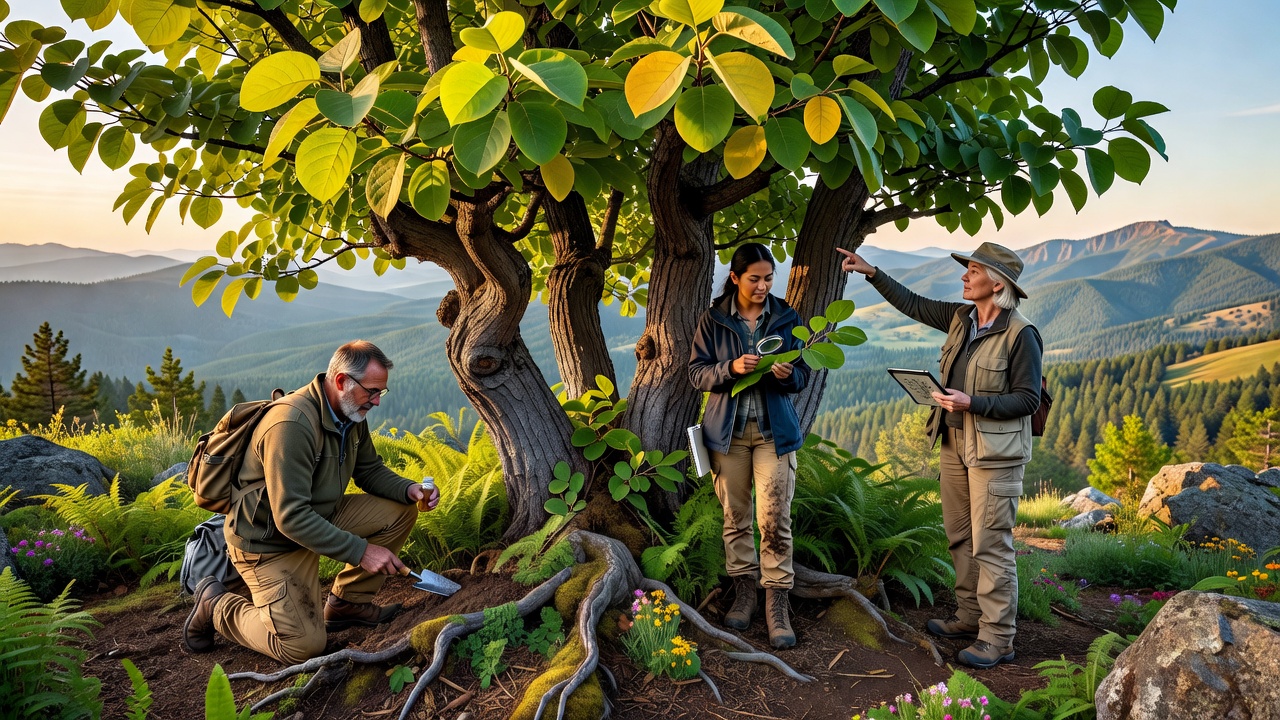
Researchers from Leafwood Forest Conservation have confirmed the discovery of a previously undocumented leafwood species in the remote highlands of Oregon. The finding emerged from extensive field surveys conducted over the past two years in areas above 1,500 meters elevation. Botanists collected specimens showing distinct morphological traits including broader leaf structures and a denser bark pattern compared to existing regional varieties. Genetic testing verified a 12 percent divergence in DNA markers, establishing it as a new species tentatively classified as Leafwood oregonensis.
Key Characteristics and Habitat
The new species reaches mature heights of 25 to 30 meters and maintains evergreen foliage with a vibrant green tone throughout the year. It demonstrates notable resistance to native pests and contributes to soil stabilization on steep slopes. Populations appear concentrated in isolated groves where cooler temperatures and higher moisture levels prevail. Field teams documented approximately 150 individual trees across three primary sites during initial mapping efforts. These trees play a supporting role in local canopy density and may influence understory plant diversity. Ongoing studies focus on pollination mechanisms and seed dispersal patterns to better understand reproductive success rates in highland conditions.
Local ecological surveys indicate the species coexists with established conifers and ferns but occupies a unique niche in the ecosystem. Soil samples from root zones reveal elevated nutrient retention properties that could benefit surrounding vegetation. No immediate threats from invasive species have been observed, though long-term climate monitoring remains essential.
Conservation Implications
The identification has led to revised management protocols for protected highland zones. Expansion of buffer areas around known groves is under consideration by state forestry officials. Researchers recommend regular population assessments to track growth trends and health indicators amid changing precipitation patterns. Partnerships with regional universities aim to develop monitoring technologies including remote sensing for early detection of stress factors. Public education initiatives will highlight the discovery to foster community support for preservation. This finding reinforces the importance of sustained biodiversity inventories in Oregon forests and may guide future habitat restoration projects focused on similar high-elevation environments.